The Era of Agentic Search & Hardware Rebalancing: May 2026 Tech Update
The final week of May 2026 has solidified a massive paradigm shift in how we interact with information and the infrastructure required to power it. From Google’s agentic search overhaul to the critical rebalancing of AI hardware, the landscape is moving from “models” to “systems.”
1. Google Search: The 25-Year Overhaul
Google has officially moved Search into the “Agentic Era.” Powered by Gemini 3.5 Flash by default, the new Search interface is no longer just a list of links; it’s a collaborative agent environment. Users can now delegate complex research tasks and booking actions directly within the search bar. This summer, “Information Agents” will roll out for Pro and Ultra subscribers, marking the beginning of autonomous web interaction at scale.
2. The Hardware Rebalancing Act
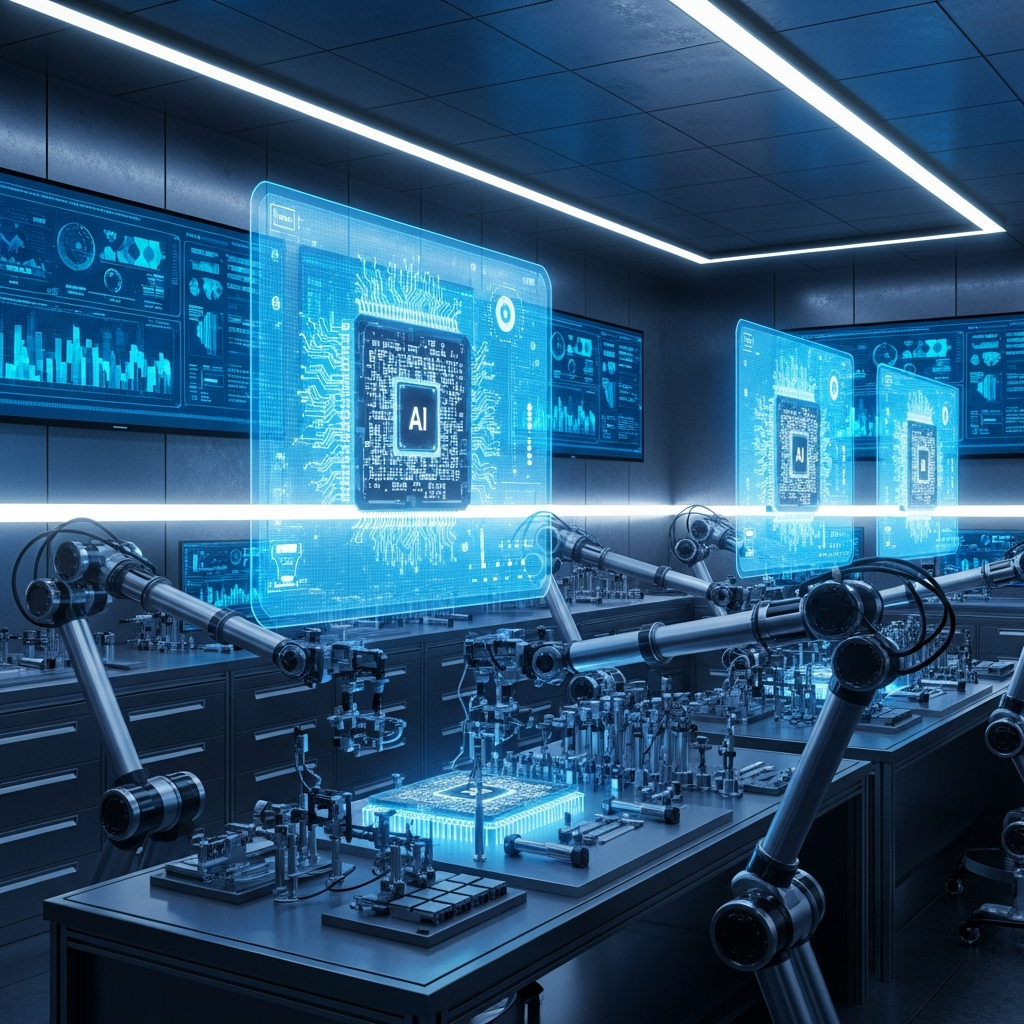
As AI agents become the primary workload, the pressure on compute infrastructure has shifted. We are seeing a move away from pure model inference toward orchestration-heavy stacks. Industry leaders like Imec and Ciena are highlighting the need for specialized silicon—such as the new Google TPU7x pairings—that balance CPU, memory, and networking to handle the high orchestration costs of planning and tool-use in agentic systems.
3. Infrastructure as the New Benchmark
Energy efficiency and orchestration latency are the new performance metrics. The hardware revolution isn’t just about faster chips; it’s about custom silicon and photonic processors that can handle transformer inference at a fraction of current energy costs. For AI builders, the focus in H2 2026 will be on “Edge AI” readiness and deployment complexity management.
Stay ahead of the curve by visiting DigitalBrief.in for deep dives into these breakthroughs.